Exploring the 12 Principles of Permaculture for Sustainable Living
- eaglecreekfamilyfa
- Jan 31
- 3 min read

Sustainability is no longer just a buzzword; it’s a necessity for the future of our planet. Permaculture offers a practical and holistic approach to living in harmony with nature. At its core are 12 principles that guide how we design systems that are productive, resilient, and regenerative. Understanding these principles can help anyone—from gardeners to urban planners—create environments that support both people and the Earth.
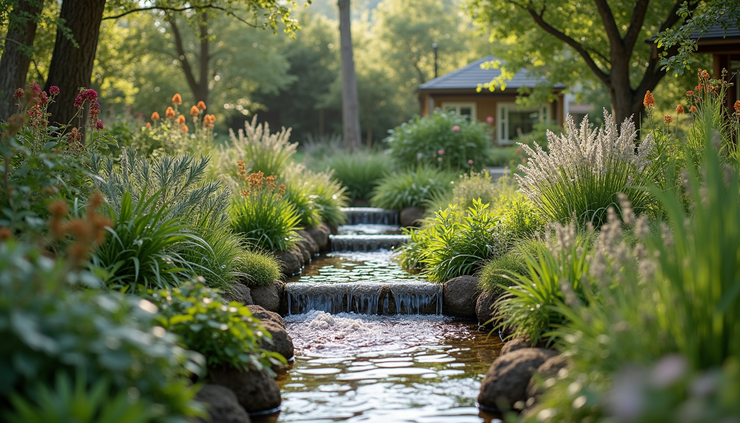
What Is Permaculture?
Permaculture combines "permanent" and "agriculture" to describe a design philosophy that mimics natural ecosystems. It focuses on creating sustainable human habitats by integrating land, resources, people, and the environment through thoughtful design. The 12 principles of permaculture, developed by David Holmgren, provide a framework to apply this philosophy in everyday life.
1. Observe and Interact
The first step in permaculture is careful observation. Before making changes, spend time understanding the natural patterns of your environment. Notice sunlight, wind, water flow, and wildlife behavior. This insight helps design solutions that work with nature, not against it.
Example: A gardener might observe where rainwater naturally collects and plant water-loving species there instead of forcing irrigation.
2. Catch and Store Energy
Energy is abundant but often wasted. Permaculture encourages capturing energy when it’s available and storing it for later use. This can mean harvesting rainwater, collecting solar energy, or preserving food.
Example: Installing rain barrels to collect water during storms provides a supply for dry periods, reducing dependence on municipal water.
3. Obtain a Yield
Every element in a permaculture system should provide some benefit. This principle reminds us to design for productivity, ensuring that efforts result in tangible returns.
Example: Planting fruit trees not only beautifies a space but also provides food, shade, and habitat for beneficial insects.
4. Apply Self-Regulation and Accept Feedback
Systems need to be flexible and responsive. When something isn’t working, adjust it rather than forcing it to fit a plan. This principle promotes learning from mistakes and adapting designs accordingly.
Example: If a compost pile attracts pests, changing its location or composition can improve its function.
5. Use and Value Renewable Resources and Services
Relying on renewable resources reduces environmental impact. Permaculture encourages using what nature provides freely and sustainably.
Example: Using wood chips as mulch recycles organic matter and reduces the need for chemical fertilizers.
6. Produce No Waste
Waste is seen as a design flaw. Permaculture systems aim to reuse, recycle, and repurpose materials to close loops and minimize waste.
Example: Kitchen scraps can be composted to enrich soil instead of being thrown away.
7. Design from Patterns to Details
Start by recognizing large-scale patterns such as climate, land contours, and natural ecosystems. Then focus on the smaller details like plant selection and placement.
Example: Designing a garden layout based on the sun’s path ensures plants get the right amount of light throughout the year.
8. Integrate Rather Than Segregate
Elements in a permaculture system should support each other. Integration creates beneficial relationships that increase resilience and productivity.
Example: Planting nitrogen-fixing legumes near vegetables improves soil fertility naturally.
9. Use Small and Slow Solutions
Small-scale, gradual changes are easier to manage and more sustainable. This principle encourages patience and long-term thinking.
Example: Starting with a small herb garden allows learning and adjustment before expanding to larger food production.
10. Use and Value Diversity
Diversity strengthens ecosystems by reducing vulnerability to pests, diseases, and environmental changes.
Example: Growing a variety of crops instead of a single monoculture protects against total crop failure.
11. Use Edges and Value the Marginal
Edges, or the boundaries between different ecosystems, are often the most productive areas. Permaculture takes advantage of these zones.
Example: The edge between a pond and garden can support unique plants and wildlife, increasing overall biodiversity.
12. Creatively Use and Respond to Change
Change is constant. This principle encourages embracing change as an opportunity rather than a threat.
Example: After a storm damages part of a garden, redesigning that area with more resilient plants can improve the system.


Comments