The Essential Role of Shelters and Shade in Protecting Farm Animals from Extreme Weather
- eaglecreekfamilyfa
- May 15
- 4 min read

Farm animals face a wide range of weather conditions throughout the year. From scorching summer heat to cold winter snow, these animals need proper protection to stay healthy and comfortable. Shelters and shade structures play a crucial role in shielding farm animals from extreme weather, reducing stress, and preventing illness. This post explores the specific shelter needs of common farm animals and offers practical tips to create safe, clean, and comfortable environments for them.
Why Shelters and Shade Matter for Farm Animals
Extreme weather can cause serious health problems for animals. Heat stress, hypothermia, and exposure to rain or snow can weaken immune systems and lead to disease. Shelters provide a barrier against wind, rain, snow, and sun, helping animals regulate their body temperature and avoid injury.
Shade is especially important during hot weather. Direct sunlight can cause overheating, dehydration, and sunburn. Providing shaded areas allows animals to cool down and reduces the risk of heat stroke.
Clean, debris-free shelters also prevent infections and parasites. Muddy, wet, or cluttered spaces can harbor bacteria and pests that threaten animal health. Regular maintenance of shelters ensures a hygienic environment that supports well-being.
Shelter Needs for Different Farm Animals
Each species has unique requirements based on their size, behavior, and natural adaptations. Understanding these needs helps farmers design shelters that offer the best protection.
Goats
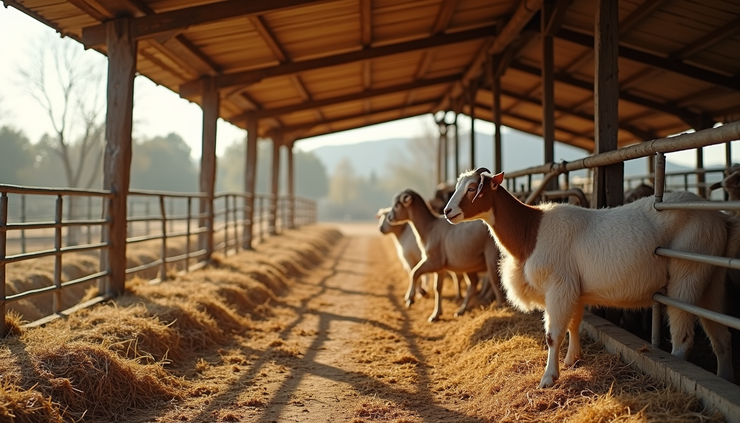
Goats need dry, draft-free shelters with good ventilation. They are sensitive to wet conditions, which can cause foot rot and respiratory issues. A three-sided shelter with a roof is often sufficient, allowing them to escape rain and wind while still having fresh air.
Goats also enjoy climbing and perching, so including elevated platforms inside the shelter can reduce boredom and stress.
Cows
Cows require larger, sturdy shelters that protect them from wind, rain, and intense sun. Open-sided barns or sheds with solid roofs work well. Proper ventilation is critical to prevent heat buildup and respiratory problems.
In hot climates, providing shade trees or shade cloths in pastures helps cows stay cool during grazing.
Sheep
Sheep need shelters that keep them dry and shielded from cold winds. Like goats, they benefit from three-sided structures with roofs. Bedding with straw or wood shavings adds warmth and comfort.
Because sheep are prone to parasites, keeping shelters clean and dry is essential to reduce infestations.
Chickens
Chickens require enclosed coops that protect them from predators and harsh weather. The coop should have ventilation to prevent moisture buildup but avoid drafts at roosting height.
Shade in outdoor runs is important to prevent heat stress. Trees, shade cloths, or covered areas provide relief from the sun.
Horses
Horses need spacious shelters that allow free movement. Run-in sheds with three walls and a roof offer protection from rain, wind, and sun while letting horses come and go.
Horses also benefit from shade in pastures, especially during summer. Trees or shade structures reduce the risk of overheating and sunburn.
Dogs
Farm dogs require insulated kennels or dog houses that protect against cold, heat, and rain. The shelter should be raised off the ground to avoid dampness and have bedding for warmth.
Shade is important for dogs left outside during hot weather to prevent heat exhaustion.
Pigs
Pigs need shelters that keep them dry and cool. Because pigs do not sweat, shade and mud wallows help regulate their body temperature.
The shelter should have solid walls to block wind and rain and be easy to clean to prevent disease.
Turkeys
Turkeys require coops or shelters that protect them from predators and weather. Ventilation is important to avoid respiratory issues.
Providing shaded outdoor areas helps turkeys avoid heat stress during warmer months.
Ducks
Ducks need shelters that keep them dry and safe from predators. Because they spend time in water, dry bedding and good drainage in shelters prevent foot problems.
Shade near ponds or water sources helps ducks stay cool.
Geese
Geese require shelters similar to ducks, with protection from wind and rain. They also need access to shaded water areas to avoid overheating.
Clean, dry bedding and well-maintained shelters reduce the risk of infections.
The Importance of Clean and Debris-Free Environments
Maintaining clean shelters is vital for animal health. Dirty, wet, or cluttered spaces encourage the growth of bacteria, fungi, and parasites. These can cause infections, respiratory problems, and skin diseases.
Regularly removing manure, wet bedding, and debris prevents these issues. Using absorbent bedding materials like straw or wood shavings helps keep shelters dry. Proper drainage around shelters also reduces mud and standing water.
Cleaning schedules should match the number of animals and weather conditions. For example, wet seasons require more frequent cleaning to maintain hygiene.
Tips to Enhance Shelters for Comfort and Safety
Use natural materials like wood and straw for insulation and comfort.
Ensure good ventilation without creating drafts at animal level.
Provide multiple shelter options in large pastures so animals can choose their preferred spot.
Add bedding to keep animals warm and dry.
Include shade trees or shade cloths in outdoor areas.
Build elevated platforms for goats and sheep to climb.
Install secure fencing around shelters to protect from predators.
Regularly inspect and repair shelters to fix leaks, broken panels, or damaged roofs.
Design shelters with easy access for cleaning and feeding.
Consider species-specific needs such as wallows for pigs or perches for chickens.
Final Thoughts on Protecting Farm Animals with Shelters and Shade
Providing proper shelters and shade is essential for the health and well-being of farm animals. These structures protect animals from extreme weather, reduce stress, and prevent illness. Tailoring shelters to the unique needs of each species ensures comfort and safety year-round.
Maintaining clean, dry, and debris-free environments inside shelters supports strong immune systems and lowers the risk of disease. With thoughtful design and regular upkeep, farmers can create safe havens that help their animals thrive in any weather.


Comments